What a clay bar and a 1-step paint correction actually do
Two steps that sound technical turn out to be simple once you see what each one removes.
October 16, 2026 · 4 min read
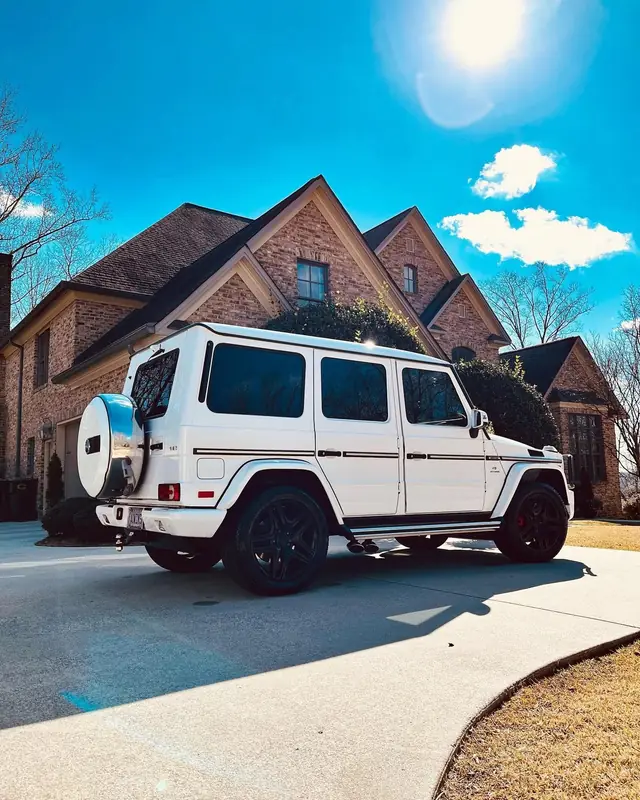
Wash a car, dry it, and run your hand across the hood. It can still feel slightly rough. That roughness is the clue that something is stuck to the paint that soap can't lift. Two steps in a good detail deal with it, a clay bar treatment and a paint correction, and both get misunderstood. Here's what each one does in plain terms, and how to tell whether your vehicle actually needs it.
What washing can't remove
Washing removes loose dirt. It doesn't remove bonded contamination, which is the term detailers use for particles that have embedded themselves in or onto the clear coat. Common examples are tiny metal specks from brake dust, road tar, tree sap mist, and overspray from paint or similar products.
These specks are often too small to see. What you notice is the feel. Clean paint should feel glass smooth. Paint with bonded contamination feels gritty, like very fine sandpaper, even when the car is freshly washed. Those particles also get in the way of wax and sealants, because they sit between the product and the paint.
What a clay bar does
A detailing clay bar is a soft, pliable bar of synthetic clay. With a lubricant sprayed on the panel, the bar glides across the paint and grabs those embedded particles, pulling them out of the surface as it moves. You fold and knead the clay as it picks up debris so a clean face is always against the paint.
The lubricant matters. Clay on a dry or under-lubricated panel can mar the finish, so a careful detailer keeps the surface slick and replaces the clay if it ever hits the ground. BMC's Ultimate Detail lists clay bar application as a decontamination step, and it comes after the hand wash and before anything gets polished or waxed. That order is deliberate. You want the surface clean and smooth before you work on it.
After claying, the paint feels noticeably different under your hand. It's slick and clean, and that's the state wax needs in order to go on well.
A simple test you can try
Here's an old trick. Wash and dry your car, then put your hand in a thin plastic sandwich bag and glide your fingertips over the hood or roof. The bag makes you more sensitive to texture. If it feels bumpy or gritty, the paint has bonded contamination. If it glides smoothly, you're probably fine. Vehicles that live outside, which describes most of them around Cullman, tend to pick it up faster than garage-kept cars.
What a 1-step paint correction does
Paint correction is the step that deals with swirl marks and light scratches. A machine polisher spins or oscillates a foam pad loaded with a polishing compound. The compound contains very fine abrasives that remove a microscopic layer of clear coat, leveling the surface so the edges of the scratches disappear and the paint reflects light evenly again.
The words 1-step are the key. A one-step correction uses a single pad and compound combination to improve the finish in one stage of work, instead of the multi-stage process used on heavily damaged paint. Think of it as a significant improvement, not a full restoration for a show car. BMC lists 1-step paint correction, described as a swirl mark remover, as part of its Ultimate Detail.
What it can't do is fix everything. Deep scratches you can catch with a fingernail may be too deep to level out completely, and chips or failing clear coat need different repairs. That's why a good detailer looks at the paint before starting and sets realistic expectations.
Why the wax goes on after
Once the paint is clean and leveled, it needs protection. A freshly polished surface is bare, because correction removes the old wax along with the haze. Wax or sealant goes on afterward to add gloss and a thin sacrificial layer that helps water bead and makes dirt release more easily at the next wash.
BMC's Ultimate Detail follows that order. It starts with a hand wash, then clay bar application, then 1-step paint correction, then machine wax preparation and machine wax application, with a spray wax to finish. Doing the steps in the wrong order wastes effort. Wax over contamination traps it under the shine, and polishing before claying can drag those embedded particles around the panel.
When a car really needs this
Not every vehicle needs this every year. Consider it if the paint feels rough after a wash, if you see swirls in direct sun, if the color looks flat on a car that's actually clean, or if you're getting a vehicle ready to sell or you've just bought a used one. A newer vehicle that has been hand washed carefully may only need a light clay and a fresh coat of wax. A car that has seen years of automatic washes will benefit most from the correction.
After that, habits do the rest. Wash gently, dry with clean towels, and refresh the wax on a regular schedule so you aren't starting from scratch each time. The less grit that touches the finish, the longer a correction stays looking good.
If you're in Cullman County and want to know whether your paint would benefit, call or text 256-297-3370 or book online.
Bet's Mobile Carwash, 256-297-3370
Call 256-297-3370More articles
Hand wash or tunnel wash: what each does to your clear coat
The way a car gets washed matters more to the paint than how often it gets washed.
Getting a family car back from crumbs, spills, sand and pet hair
A drive-through vacuum won't touch most of what kids, pets and weekends leave behind.